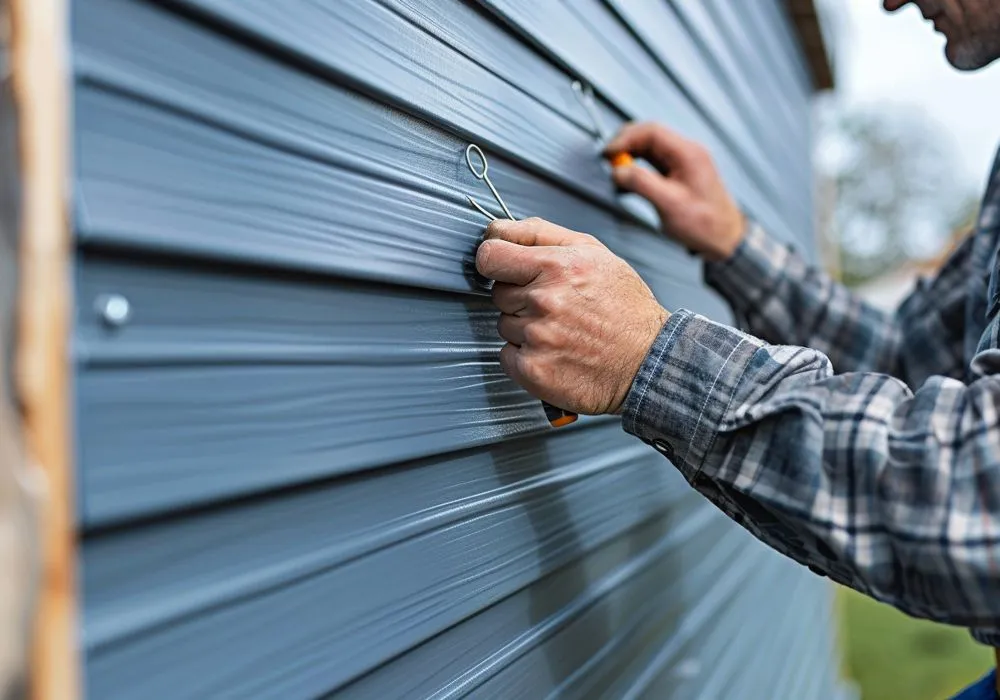
Choosing the right exterior finishes for a new home is about more than curb appeal. The materials you select will affect how your home looks, how much maintenance it needs, and how well it performs through Regina’s changing seasons. If you are planning a custom build, it helps to think about the exterior as one complete system instead of making separate choices one piece at a time.
When homeowners start exploring new homes, exterior decisions often begin with style. That matters, but durability, weather resistance, and long-term value matter just as much.
Why exterior finishes matter on a new build
Your home’s exterior is its first layer of protection. It needs to work together to manage moisture, hold up against wind, and keep the structure looking clean and consistent for years to come.
A well-planned exterior package can help you:
- create a more polished look
- reduce future maintenance
- improve long-term durability
- support better resale value
- avoid mismatched materials and last-minute design changes
That is why many homeowners benefit from reviewing their full exterior finishes plan early in the design process.
Start by thinking about the full exterior system
One of the biggest mistakes on a new build is choosing materials in isolation. The outside of your home is made up of several parts that need to work together visually and practically.
That usually includes:
- siding
- roofing
- soffit
- fascia
- eavestrough
- trim and accent details
- colour combinations
- ventilation and drainage planning
When those pieces are selected as a system, the home tends to feel more balanced and perform better over time.

Choose siding with both appearance and maintenance in mind
For many homeowners, siding is the biggest visual decision. It has a major impact on the overall style of the home, whether you want something modern, traditional, or more timeless.
When comparing siding, think about:
- How much maintenance are you comfortable with
- How the colour will look in different light
- Whether the profile matches the style of the home
- How it pairs with trim, stone, or accent materials
- How durable will it be over time
The best choice is not always the boldest one. In many cases, a simpler siding selection with strong accent details creates the most lasting result.
Do not treat roofing as a separate decision
Roofing is often chosen later than it should be, but it plays a huge role in the finished look of the house. The shape, colour, and material of the roof should support the rest of the exterior instead of competing with it.
When planning roofing in Regina, consider:
- How the roof colour works with the siding
- The overall style of the home
- Durability in local weather conditions
- Long-term maintenance expectations
- How visible the roofline is from the street
A strong exterior design usually has balance. If the siding colour is more dramatic, a cleaner roofing choice can keep the home from feeling too busy. If the exterior is more neutral, roofing can add just enough depth without overpowering the design.
Small trim details make a big difference
Homeowners often focus heavily on siding and roofing but overlook trim components. That can be a mistake, because these details help finish the look and support the performance of the home.
Your soffit, fascia, and eavestrough system should not feel like an afterthought. These elements help with water management, ventilation, and the overall visual transition between the roofline and walls.
Clean trim choices can make a home look sharper and more intentional. They can also tie the full exterior palette together, especially when you are working with multiple materials or accent sections.
Think about Regina weather before finalizing materials
A new home exterior in Regina needs to handle more than design trends. Weather matters.
That means choosing materials and installation approaches that suit:
- cold winters
- temperature swings
- wind exposure
- moisture control needs
- long-term wear from seasonal changes
Some finishes look great at first but may require more upkeep than expected. Others may offer a cleaner long-term solution for homeowners who want durability with less maintenance. A good exterior plan balances appearance with real-world performance.

Keep the colour palette simple and coordinated
It is easy to get carried away when selecting colours and textures. In most cases, the best-looking homes use a clear hierarchy.
A simple approach often works best:
- One main field colour
- One secondary or accent colour
- One trim colour
- One roofing colour that ties the palette together
Too many competing tones can make the exterior feel busy. A cleaner palette usually feels more custom, more polished, and easier to live with long term.
Match the exterior to the style of the home
The right finish package should feel connected to the architecture of the house.
For example:
- Modern homes often work well with cleaner lines, smoother finishes, and stronger contrast
- Traditional homes often suit warmer tones and more classic combinations
- Transitional homes usually benefit from a balanced mix of texture and simplicity
The goal is not to chase what is trendy for one season. The goal is to choose finishes that still make sense years from now.
Common mistakes to avoid
A few exterior planning mistakes show up again and again on new builds:
Choosing materials one at a time
This can lead to a disconnected look and missed performance details.
Using too many colours or textures
More options do not always create a better result.
Focusing only on appearance
A beautiful finish still needs to perform well over time.
Leaving trim decisions until the end
Soffit, fascia, and eavestrough should be part of the early conversation.
Forgetting about long-term maintenance
What looks good on day one should still feel practical years later.
A smarter way to make exterior decisions
The easiest way to make better exterior choices is to review the whole package before construction gets too far along. When the exterior is planned early, you can make clearer decisions around style, performance, and budget without feeling rushed.
If you are comparing options for a new build, the best approach is to look at the full home envelope together instead of treating each part as a separate upgrade.
Ready to plan your new home exterior?
If you are building and want help creating a more cohesive exterior, Everflow can help you think through the right mix of materials, design, and long-term function. Whether you are still comparing ideas or ready to move forward, you can get a quote and start the conversation with a clearer plan.

FAQ
What are the most important exterior finishes on a new home?
The main exterior finishes usually include siding, roofing, soffit, fascia, eavestrough, trim, and accent materials. These should be selected together so the home looks cohesive and performs well.
How do I choose exterior finishes that will last?
Focus on durability, maintenance needs, weather performance, and how the materials work together. It is better to choose finishes that fit your climate and long-term goals than to focus only on appearance.
Should siding and roofing be chosen at the same time?
Yes. Siding and roofing should be planned together so the colours, textures, and overall style complement each other.
Why do soffit, fascia, and eavestrough matter so much?
They help manage water, support ventilation, and finish the roofline visually. They are important for both performance and appearance.
Is it better to keep exterior colours simple?
In most cases, yes. A cleaner palette usually creates a more timeless and polished result than using too many competing colours or textures.