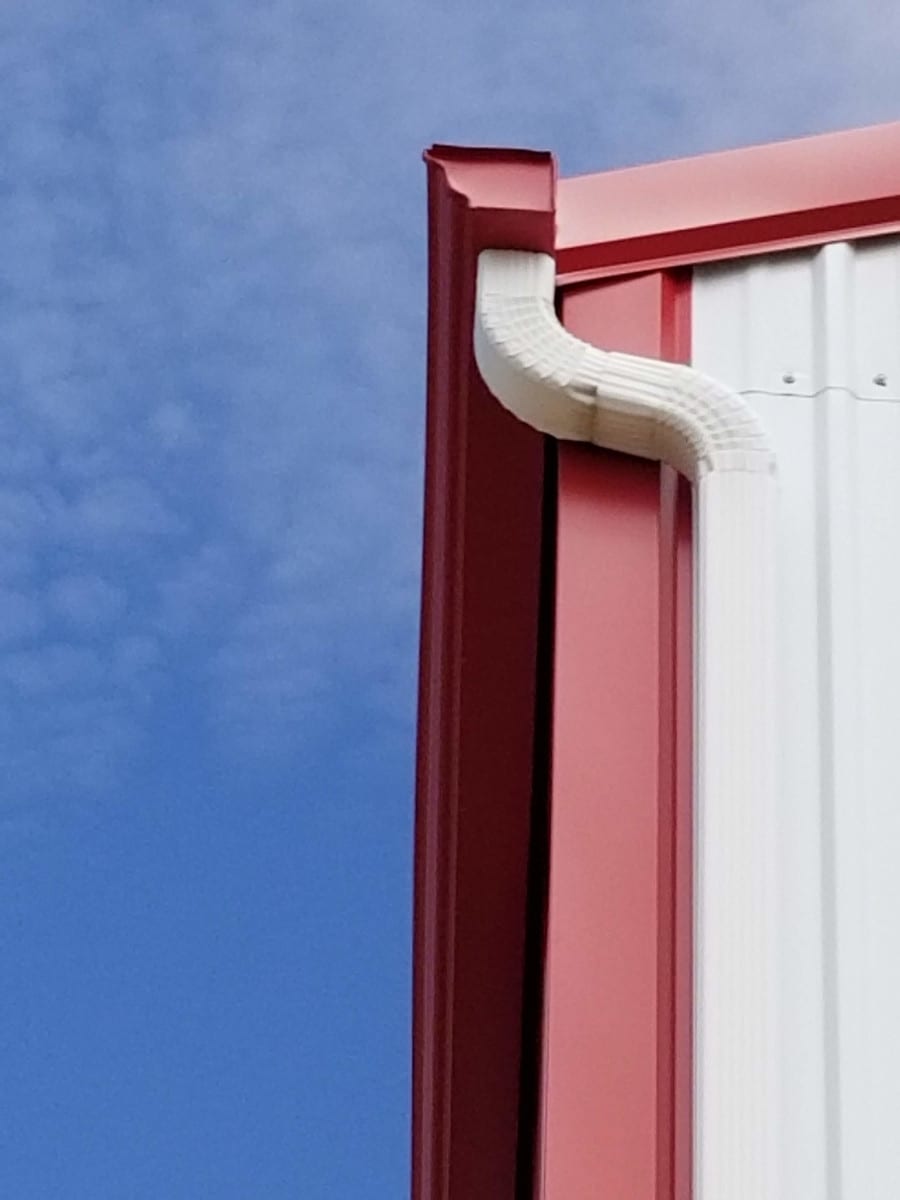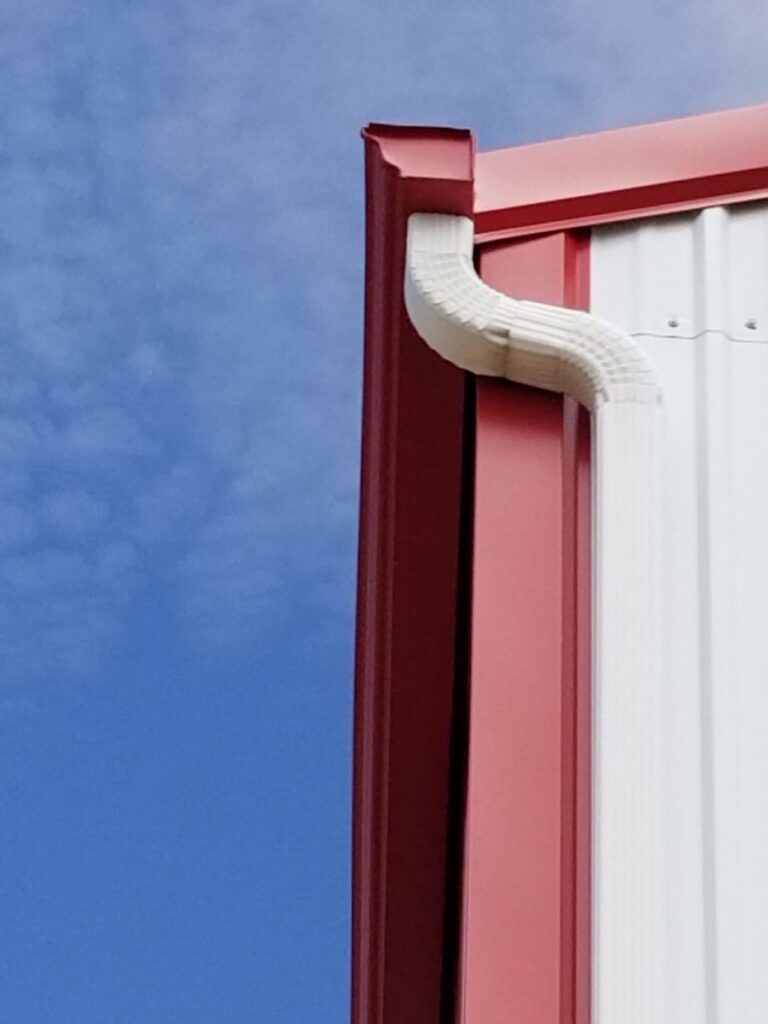
As the seasons begin to change in Saskatchewan, one reality sets in: the snow melts, and it melts fast. After a long, cold winter, the sudden shift to warmer weather puts your home’s exterior to the test. The unsung hero during this time is your eavestrough system.
When functioning correctly, eavestroughs prevent water from soaking into your foundation or ruining your landscaping. But if they have been damaged by heavy snow loads or neglect, you might be facing a costly problem. In this guide, we break down why eavestrough damage happens, how to spot it, and whether you need a simple repair or a full replacement.
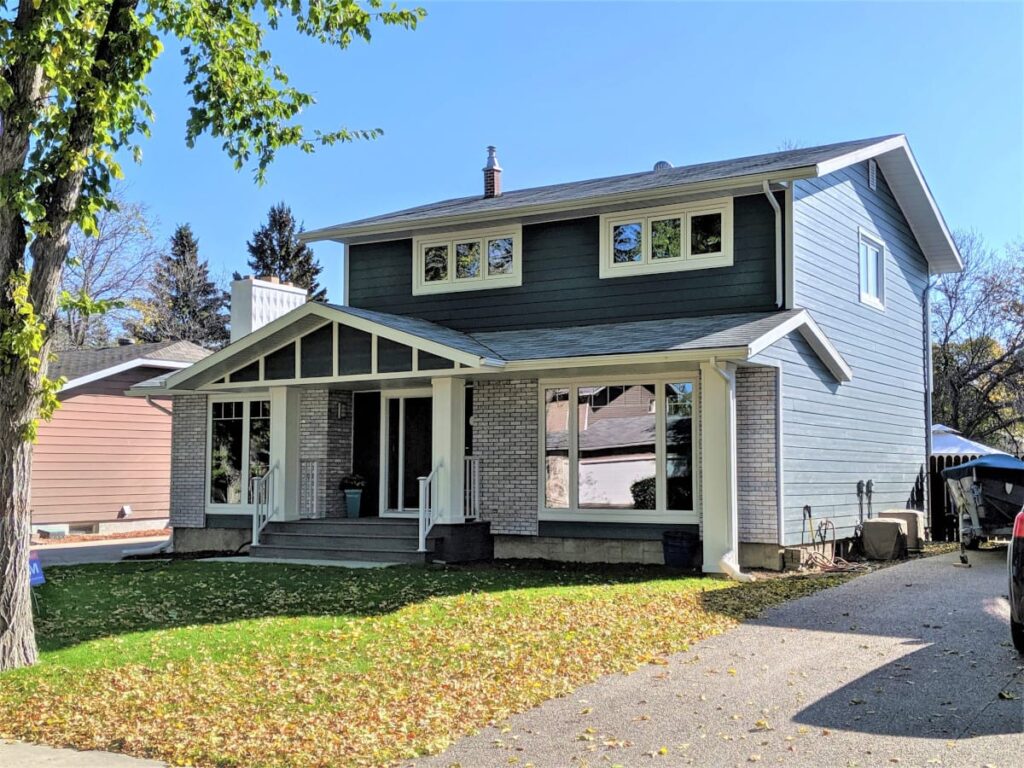
Why Are Eavestroughs So Important?
It is easy to overlook those metal channels hanging off your roof, but they perform critical functions for your property.
- Foundation Protection: This is the most critical function. Without working eaves, water pours directly off the roof and pools beside your foundation. Over time, this hydrostatic pressure causes cracks, leading to basement leaks and structural instability.
- Preventing Erosion and Mud Splatter: If you have a flower bed or loose dirt next to your house, uncontrolled water runoff will splash mud up onto your siding, making the house look dirty and eroding your landscaping.
- Pest Control: Standing water in sagging or clogged eaves is a breeding ground for mosquitoes and other insects.

Common Causes of Eavestrough Damage
In our climate, damage happens for a variety of reasons. It is not just about age; it is about the environment.
1. Snow and Ice Load
The prairies get significant snowfall. The sheer weight of snow and ice dams can physically bend the metal hangers, causing the eaves to detach from the fascia board. Once they pull away, water runs behind the gutter rather than inside it, rotting the wood behind it.
2. Clogs and Debris
If you do not perform regular cleanings, dead leaves, twigs, and dirt build up. This creates a “dam” inside the trough. When wet, this debris becomes incredibly heavy, causing the metal to sag. Furthermore, clogged gutters lead to water overflowing in the wrong areas, defeating the purpose of the system.
3. Changing Landscapes
Sometimes the issue isn’t the gutter, but the ground. If your yard grading has shifted or you have installed new landscaping, the water flow requirements may have changed, requiring adjustments to downspout locations.
The Big Question: Repair or Replace?
Homeowners often ask us if they can just patch a leak or if they need to rip everything down. Here is how we help you decide.
When to Repair:
If your eavestrough system is relatively new and the damage is localized (such as a single loose bracket, a small leak at a corner joint, or a minor dent), a repair is usually sufficient. Re-sealing corners or re-sloping a single run is a cost-effective solution.
When to Replace:
If your home is older and the eaves are rusting, sagging in multiple places, or mismatched due to previous bad repairs, it is likely more cost-effective to replace them. Modern continuous eavestroughs eliminate seams (the weakest points) and offer better flow.
Expert Tip: Replacing eaves requires skill. It isn’t just about hanging metal; it’s about calculating the correct slope to ensure water flows to the downspouts without pooling.
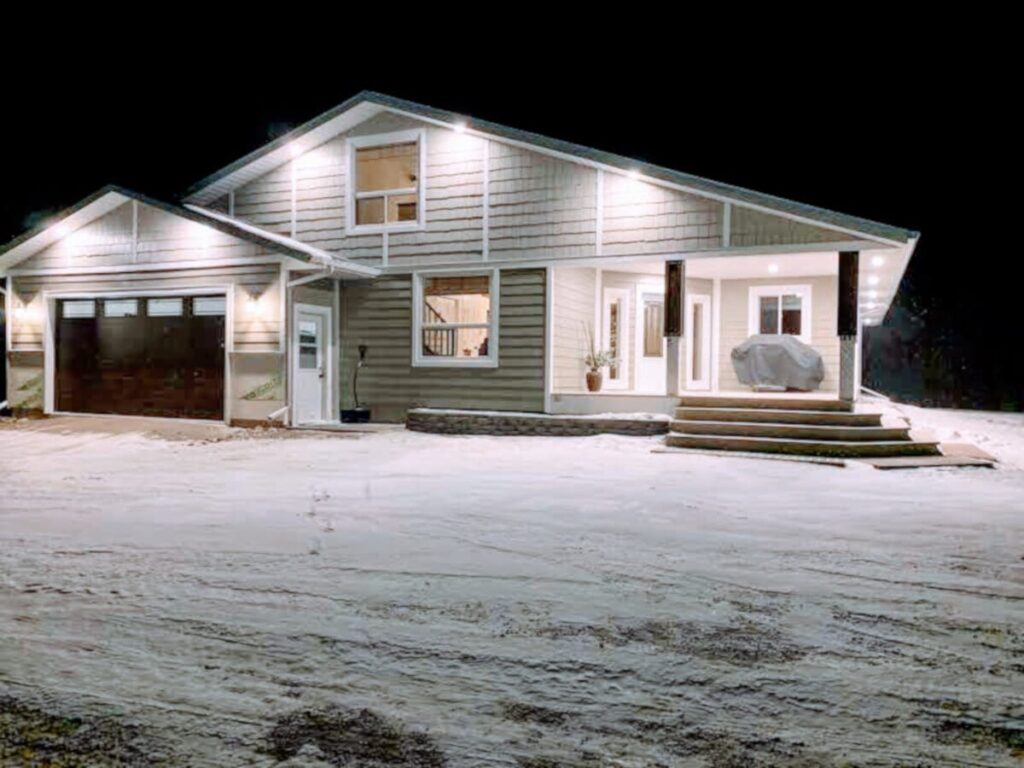
Maintenance Tips to Avoid Expensive Repairs
The best way to save money on exterior repairs is prevention. A little effort goes a long way.
Keep It Clean
We recommend checking your eaves twice a year—typically in late spring and late fall. Clearing out organic debris ensures water flows freely and prevents the heavy weight that causes sagging. If you are uncomfortable on a ladder, please hire a professional.
Consider Leaf Guards
If you live in a mature neighbourhood with tall trees, leaf guards are a special feature that can add efficiency to your system. They sit over the trough, allowing water in while keeping leaves out, preventing downspouts from getting clogged.
Utilize Rainwater
A properly functioning system allows you to become more environmentally friendly. By directing your downspout into a rain barrel, you can harvest water for your garden or lawn. This reduces your municipal water usage and saves you money on utility bills.
Check Your Roofing System
Remember that your eaves are attached to your roof. If your gutters are full of granules, it might be a sign that your shingles are deteriorating. When inspecting your eaves, take a look up at your roofing to ensure there are no missing shingles or soft spots.
Conclusion
Whether you need to fix a small leak after a rough winter or upgrade your whole system for better drainage, do not ignore your eavestroughs. They are the shield that protects your basement and foundation from water damage.
Need an Assessment?
If you are unsure if your system can be saved or needs replacement, let us take a look. Contact our team today. We will assess the slope, drainage, and physical condition of your eaves and provide an honest recommendation. If you are ready to get started, you can also request a quote online.