
Can You Install a Metal Roof Over Shingles?
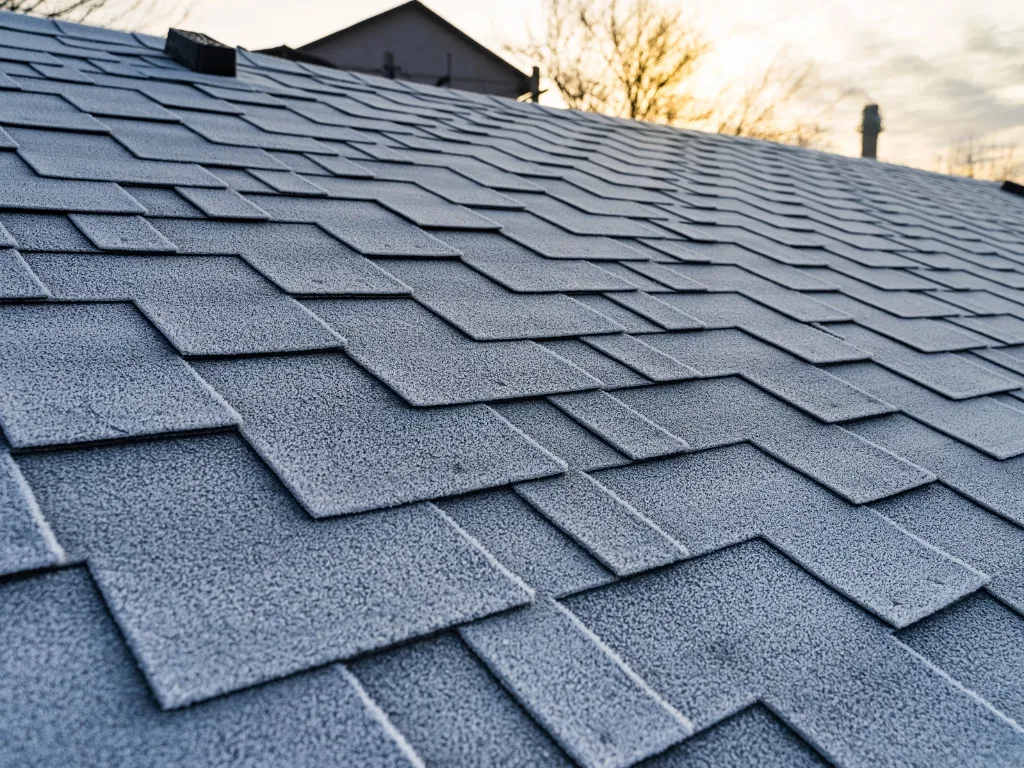
Yes, a metal roof can sometimes be installed over existing asphalt shingles. But it is not suitable for every home. The old roof, deck, structure, local requirements and new metal roofing system must all allow it. A tear-off is often the more practical choice because it exposes hidden damage and gives installers a clean surface to work from.
For Regina homeowners, the decision is about more than saving on disposal. Winter moisture, wind, flashing details and future repairs all matter. Here is how to weigh the options before you approve a quote.
What does installing metal roofing over shingles mean?
A roof overlay, also called a layover or retrofit, leaves the old asphalt shingles in place and installs a new roofing system above them. Some products use an approved underlayment over a sound, flat surface. Others use engineered battens or subframing. These approaches are not interchangeable. The manufacturer's published installation method sets the requirements for the particular panel and fastening system.
The contractor still needs to determine how the new roof will shed water at valleys, chimneys, vents, skylights, walls and eaves. Old flashing does not automatically become suitable for the new roof. An overlay that looks neat from the driveway can fail at a poorly planned roof penetration.
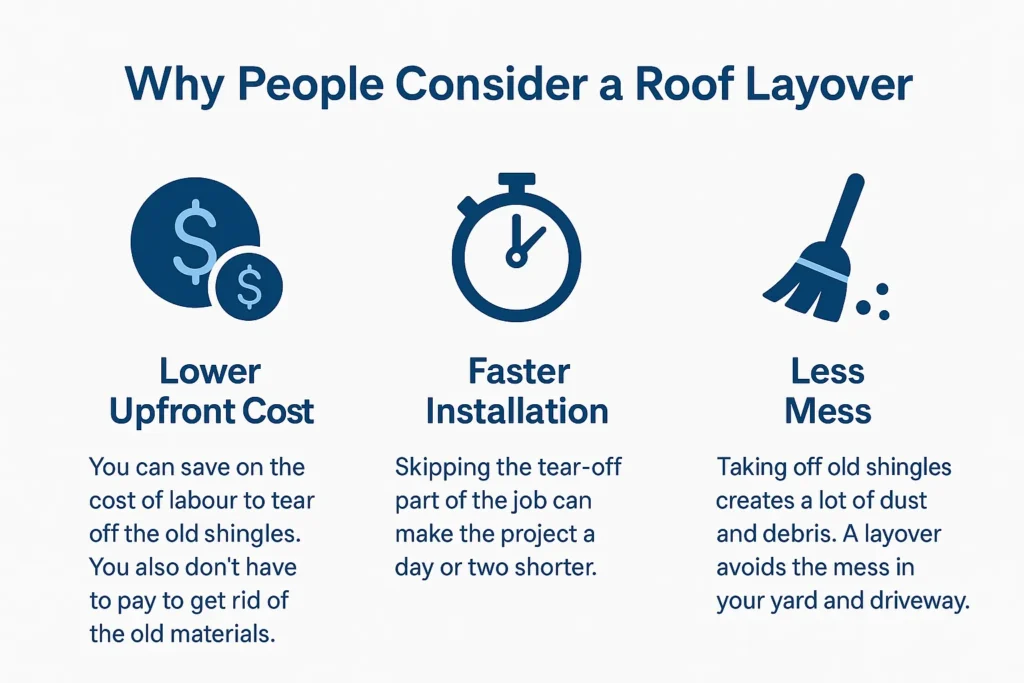
Overlay versus tear-off: the practical comparison
| Question | Metal roof over shingles | Remove shingles first |
|---|---|---|
| Upfront work | May reduce removal and disposal work | Includes removal and waste handling |
| Roof deck | More difficult to inspect completely | Exposes the deck for inspection and repair |
| Roof surface | Existing roof may be uneven | A clean substrate can be prepared |
| Extra weight | Old roofing remains beneath the new system | Old covering weight is removed |
| Flashing and edges | Transitions require careful retrofit detailing | Details can be rebuilt from an exposed deck |
| Suitability | Depends on product approval and site conditions | Still requires a sound structure and correct installation |
An overlay is not automatically poor workmanship. Nor is it automatically the economical choice. Ask each bidder to describe the exact system and what they will do if they discover damaged material during the work. For a broader explanation of roofing material options, see our roofing materials comparison.
Five checks before choosing an overlay
1. Inspect the roof deck and structure
A major drawback of leaving shingles in place is limited visibility of the sheathing. Soft areas, old leaks, deteriorated fasteners and hidden moisture may be missed. A qualified roofer should evaluate the substrate using an appropriate inspection method and explain what cannot be confirmed without removal. Suspected structural problems need a suitable professional review.
2. Confirm the existing number of layers
An old roof may already contain more than one layer. An additional roof covering changes weight and fastening requirements. The contractor should identify the existing assembly and check the applicable building rules rather than assume another layer is allowed.
3. Match the metal panel to the installation method
Standing-seam, exposed-fastener and stone-coated systems have different substrate, fastening and ventilation details. A system approved for battens over shingles should not be treated like a direct-to-deck system. Ask for the product installation instructions and written warranty conditions.
4. Plan roof edges and penetrations
A thicker roof assembly changes how gutters, drip edges, fascia and wall transitions meet the roof. Roof valleys and pipe boots must be watertight. If the design leaves drainage traps or poorly sealed openings, rain and snowmelt can find a path into the building. The soffit, fascia and eavestrough service page explains the roof-edge components involved.
5. Understand ventilation and winter moisture
Condensation control depends on the complete roof assembly. A cavity or underlayment cannot simply be added without considering water and vapour movement. Regina's cold season makes these details especially important. Our guide to ice dams on metal roofs covers why roof temperature and drainage matter.
Why a full tear-off may be worth the cost
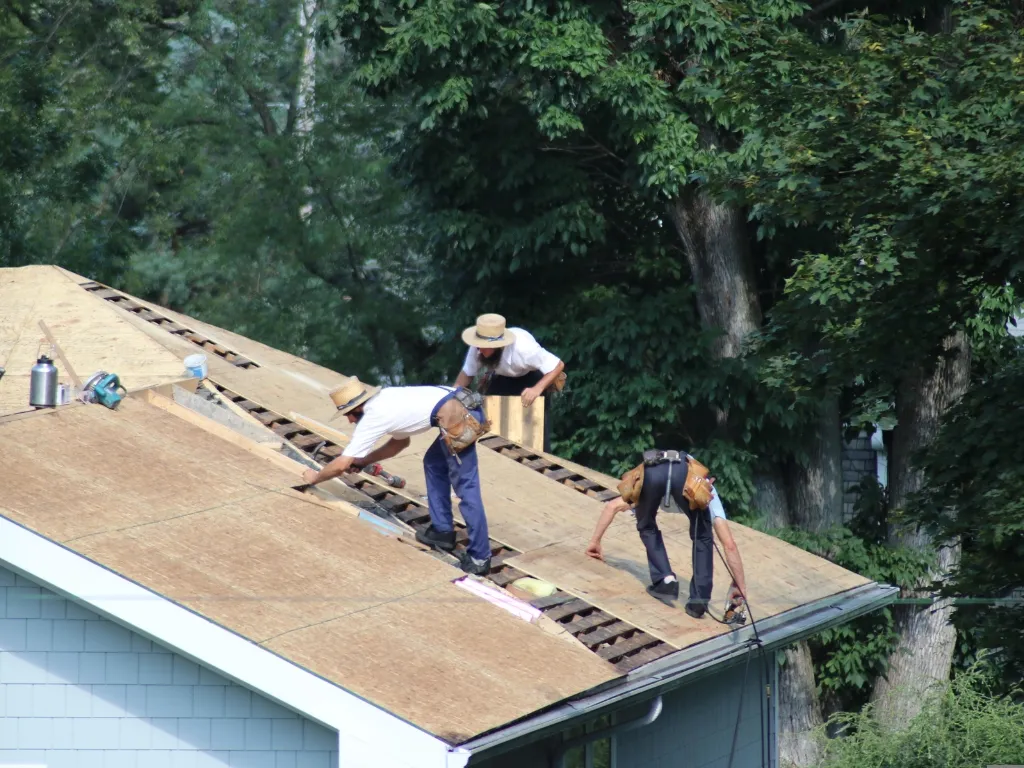
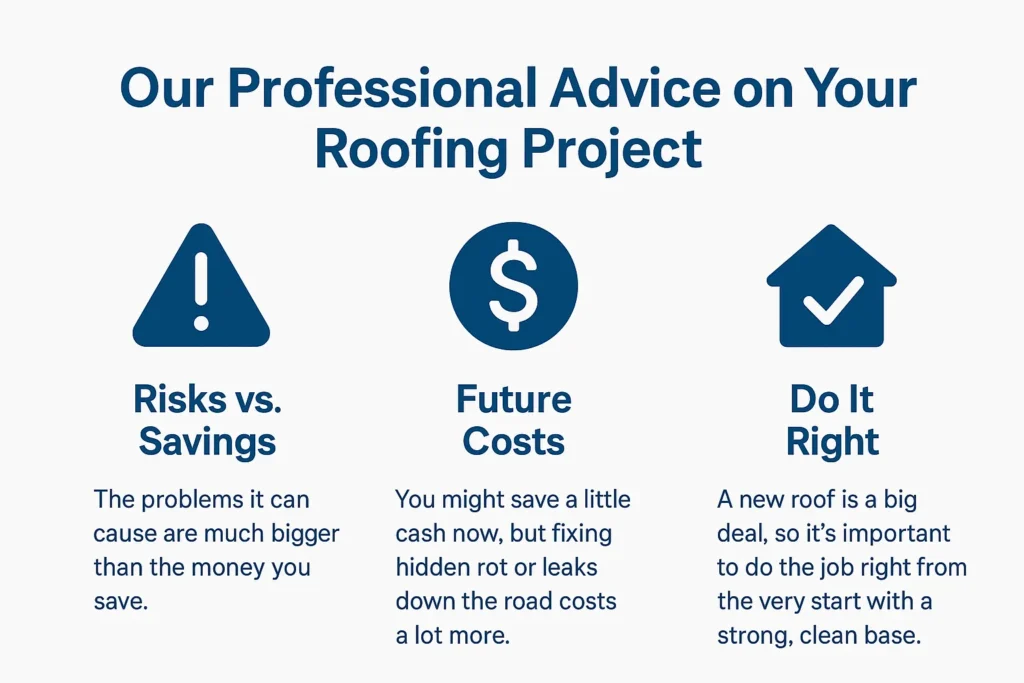
Removing the old roof lets the crew examine sheathing, replace damaged sections, reset flashing and prepare a uniform installation surface. It also provides an opportunity to check for staining, loose fasteners and water paths around openings. That does not mean every tear-off uncovers damage, only that it makes the condition easier to verify.
When comparing quotes, request separate line items for removal, disposal, deck repairs, underlayment, flashing and the new metal covering. A low overlay price can become less attractive if it carries exclusions or limits your warranty. Consider financing only after you understand the work scope; information is available on our financing page.
Questions to ask a Regina roofing contractor
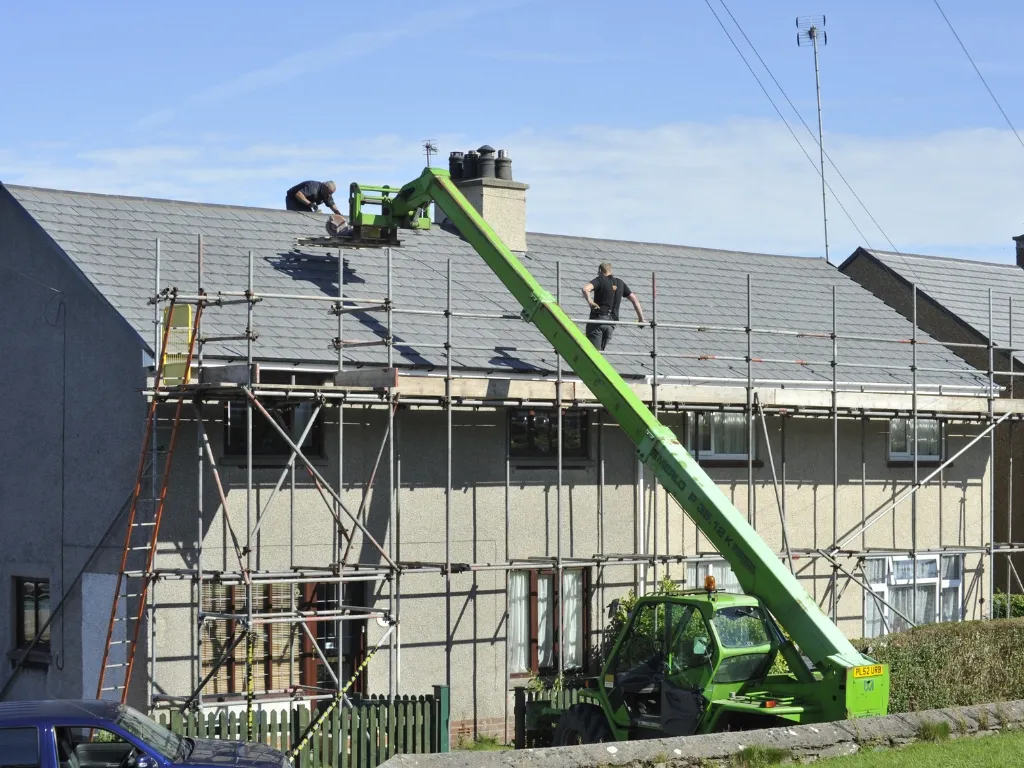
Ask whether their proposed metal panel is specifically approved for installation over asphalt shingles. Request the document, not just an assurance. Find out how they will inspect the deck, verify roof load, manage fasteners, make new flashings and protect the eaves. Ask what will happen if a problem is uncovered and how the change will be priced.
It is also sensible to request photos of similar work and a clear description of who will be responsible for permits or building-code checks where needed. Comparing written answers helps you assess two bids that otherwise look alike.
Frequently asked questions
Will metal roofing over shingles always cause condensation?
No. Moisture behaviour depends on the design and installation. A poorly designed assembly can create problems, but the presence of shingles alone does not prove condensation will occur.
Can an overlay cover a leaking roof?
A new covering should not be used to hide an unknown leak. The source and any damaged components need to be investigated first.
Does the old roof make a metal roof too heavy?
Not necessarily. Added dead load must be evaluated for the specific roof and system, especially if multiple layers already exist. A general claim about weight is not a structural assessment.
Is a tear-off always required in Saskatchewan?
Requirements depend on the building, existing roof, selected system and applicable local rules. Check with the relevant authority and the roofing product manufacturer before assuming an overlay is permitted.
A sound roof decision starts with a careful inspection, not a blanket yes or no. Learn about Everflow's exterior work on our homepage.
Technical reference: Metal Construction Association retrofit guide. Follow the applicable product instructions and local requirements.
Discuss your exterior project
Have a question about the condition of your home or a planned exterior project in Regina? Share the details and any clear photos with Everflow for an assessment and quote.
Request a Quote