Mold growth is a frustrating issue that many homeowners face, particularly on their window panes and sills. Not only is mold unsightly, but it can also pose health risks if left untreated especially for those with allergies, asthma, or respiratory sensitivities.
Windows provide a prime breeding ground for mold because they are the primary site for temperature transitions in your home. When warm, humid indoor air meets cold glass, it creates moisture.
Fortunately, preventing mold on your windows is entirely achievable with a proactive maintenance routine. Below is a guide to understanding what causes window mold, how to prevent it during cold Saskatchewan winters, and when your home’s exterior features might be the real culprit.
Identifying the Causes of Window Mold
To prevent mold from growing on your window sills and frames, you must first understand the root causes of the moisture that feeds it.
1. Condensation (The Primary Culprit)
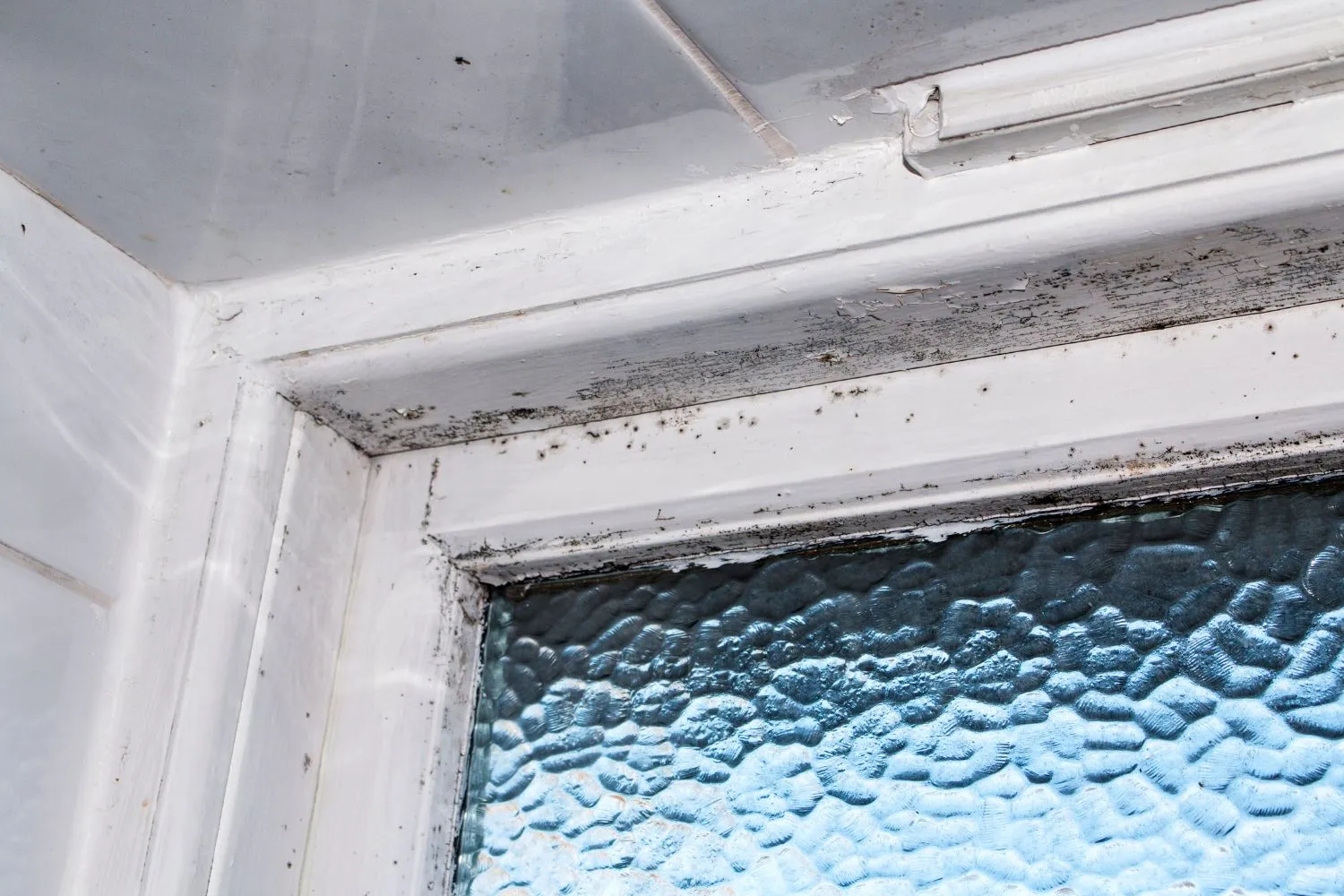
During a typical Regina winter, the temperature difference between the freezing outdoor air and your warm indoor heating is extreme. When humid indoor air comes into contact with the cold surface of your window glass, it rapidly cools and turns into liquid water (condensation). This pooled water on your window sills creates the damp conditions that mold spores need to thrive.
2. Poor Attic and Roof Ventilation
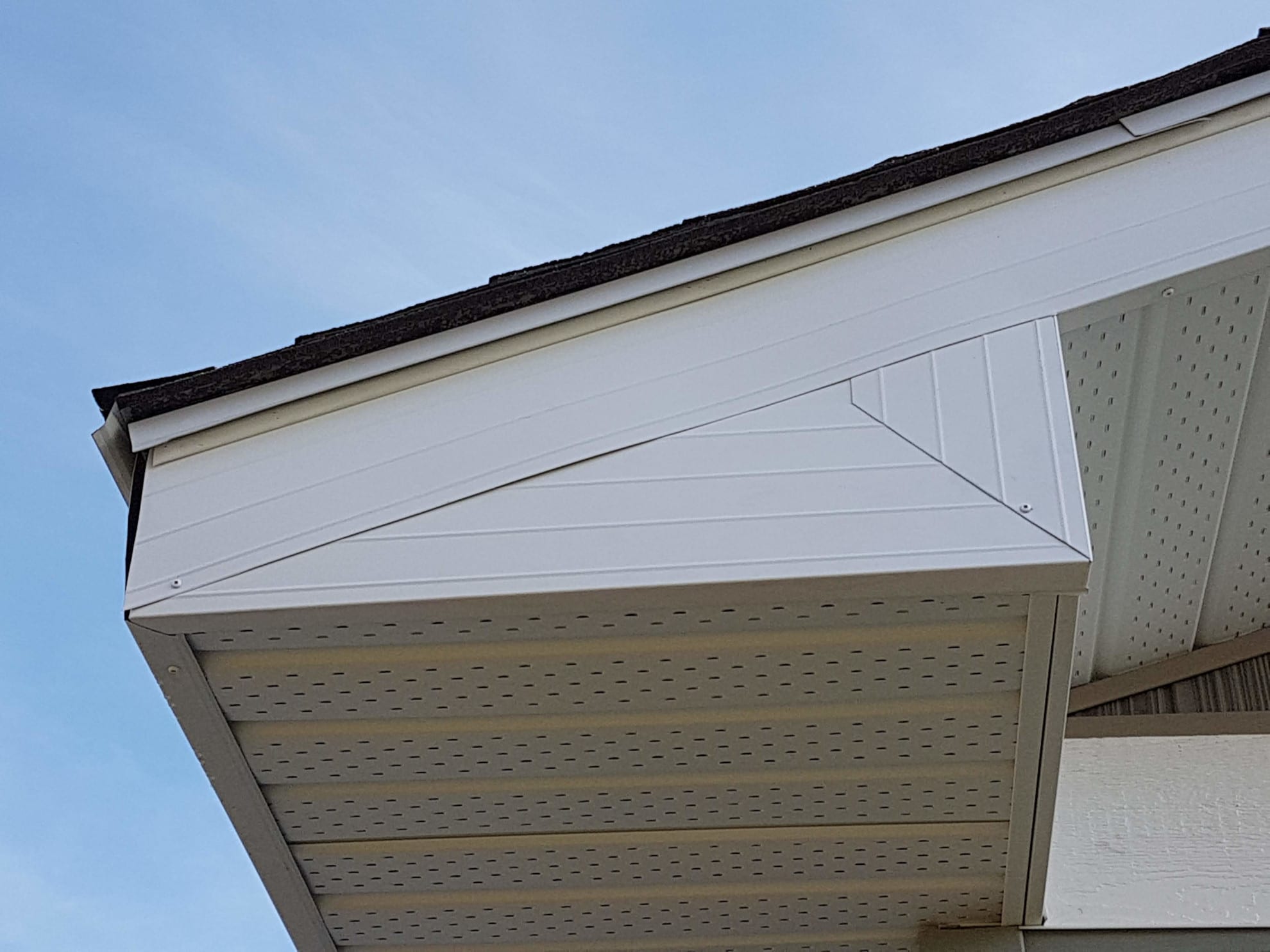
When a home’s attic lacks proper airflow, moisture from daily activities (such as cooking, showering, and breathing) gets trapped inside the living spaces rather than escaping. This trapped moisture elevates your indoor relative humidity. Ensuring your home has clean, functioning soffits, fascia, and eavestroughs is critical for maintaining the passive ventilation your home needs to keep humidity levels balanced.
3. Damaged Exterior Trim or Siding Leaks
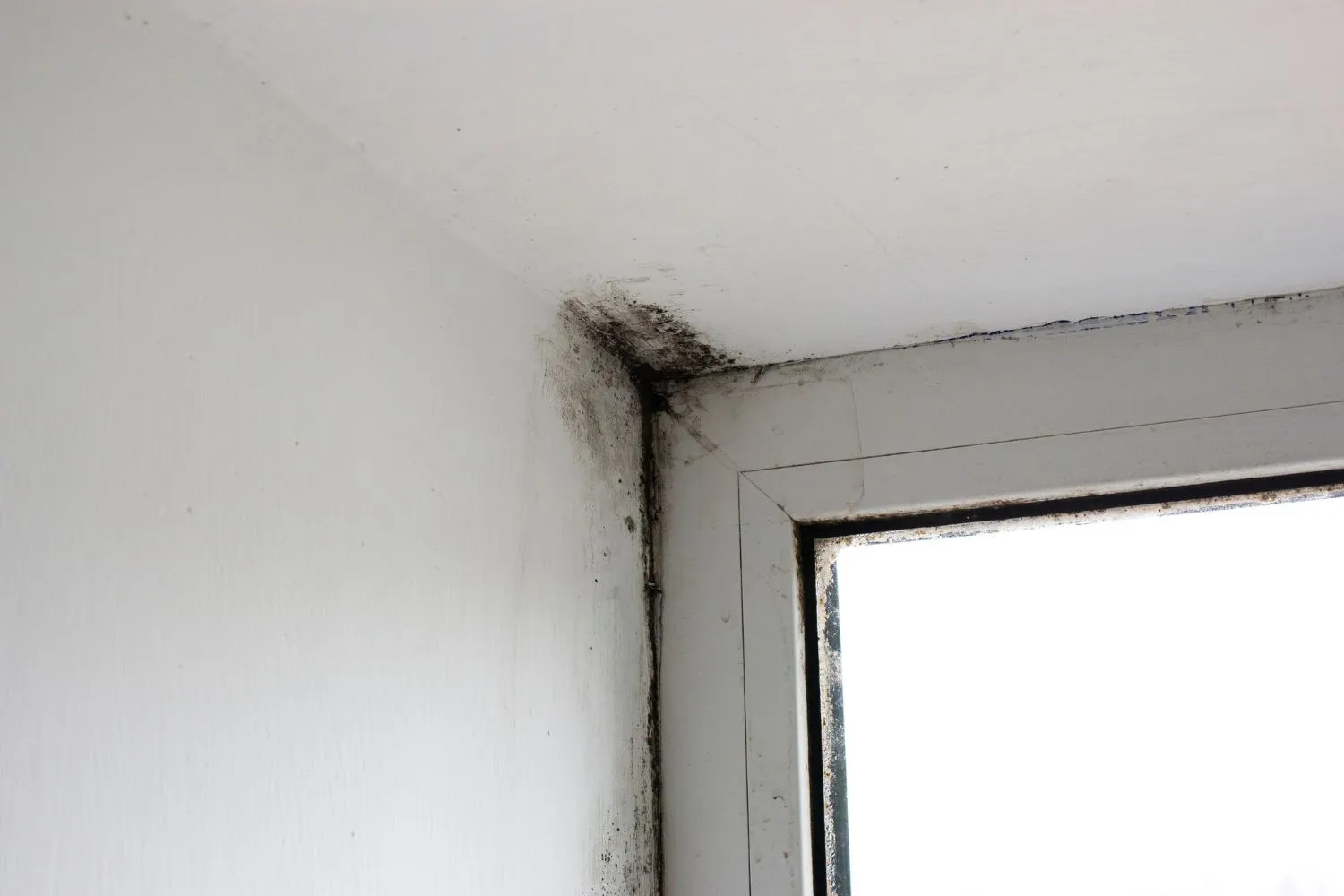
If the caulking, flashing, or seals around your window frames are cracked, outdoor moisture from rain and melting snow can seep into your walls. This water often pools at the bottom of the window frame, leading to hidden mold growth. If your windows are leaking due to failing exterior seals, upgrading or repairing your home’s exterior siding can help restore a weather-tight barrier.
Practical Strategies to Prevent Mold on Windows
Preventing mold require managing both the moisture levels inside your home and the physical seals around your windows.
Maintain Healthy Indoor Humidity
Keeping indoor humidity levels between 30% and 45% during the winter is one of the most effective ways to stop condensation from forming.
-
Use Exhaust Fans: Always run kitchen and bathroom exhaust fans for at least 20 minutes after cooking or showering to vent humid air outside.
-
Run a Dehumidifier: If your home naturally retains moisture, placing a dehumidifier near rooms with frequent window condensation can make the environment less hospitable to mold spores.
-
Open Window Coverings: Keeping heavy drapes or blinds closed traps cold air and moisture against the glass. Open your blinds during the day to allow warm air to circulate across the window pane.
Maintain Your Seals and Trim
Ensure that all sealants and caulking around your window frames both inside and outside are intact. If you notice drafts or visible cracks, scrape away the old caulk and apply a high-quality, mold-resistant sealant to keep water from penetrating the frame.
Regular Cleaning Routine
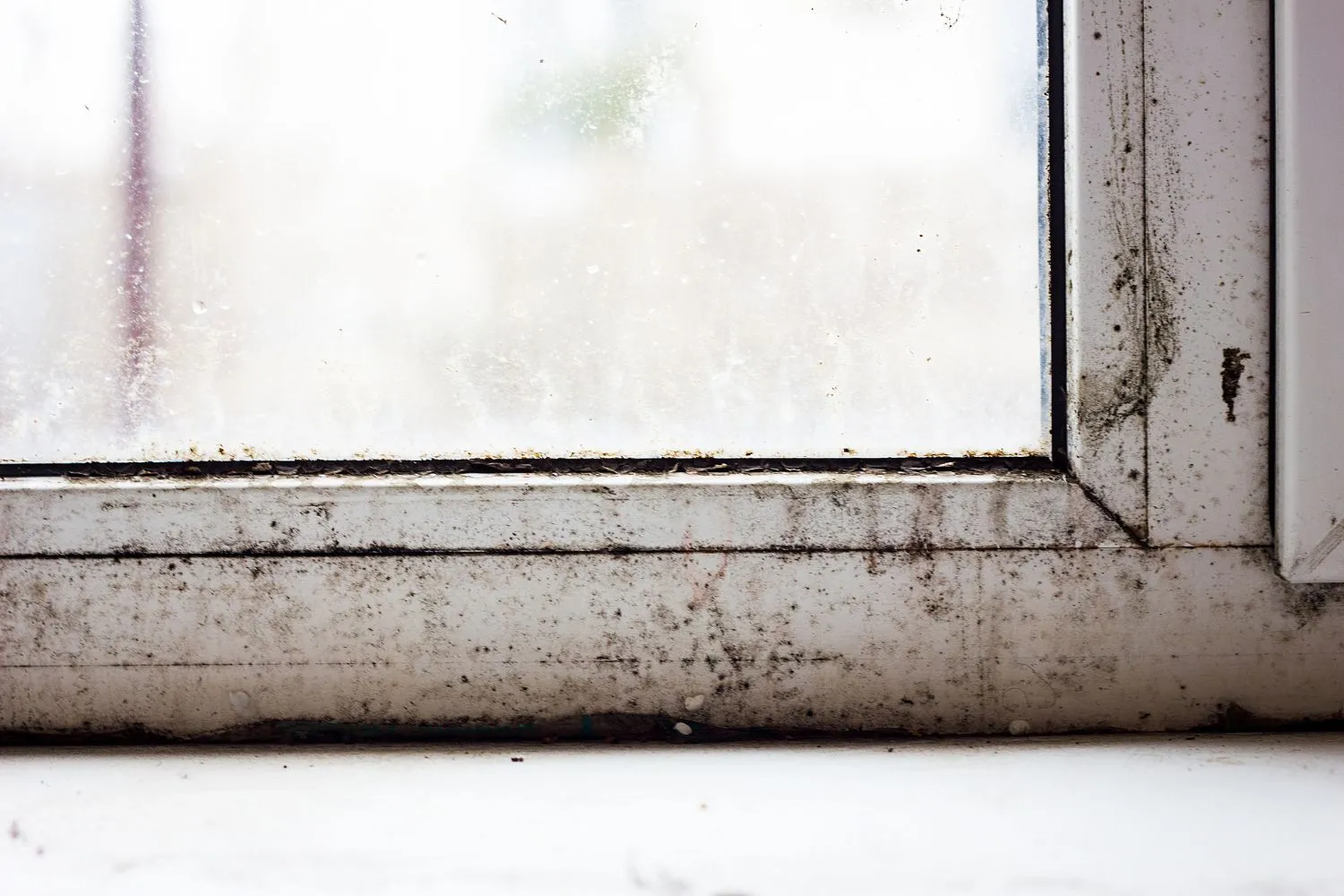
Dust and organic debris on window sills act as a food source for mold. Regularly wiping down your window frames, sills, and tracks with a microfiber cloth and a mild soap-and-water solution will remove these food sources before spores can settle.
Selecting the Right Window Treatments and Products
If you are replacing window coverings or preparing for a renovation, choosing moisture-resistant products can significantly reduce your maintenance load:
-
Synthetic Window Coverings: Avoid natural wood or heavy cotton drapes in high-moisture rooms like kitchens and bathrooms, as they absorb moisture easily. Opt for faux wood blinds, vinyl shutters, or synthetic fabrics that resist water absorption.
-
Anti-Condensation Glass: When replacing old windows, look for triple-pane models with insulated spacers (warm-edge spacers) and low-E coatings. These features keep the indoor glass temperature warmer, drastically reducing condensation.
What to Do If Mold Appears on Your Windows
If you discover mold on your window sills or frames, it is important to clean it safely and quickly to prevent it from spreading:
-
Protect Yourself: Wear gloves, safety glasses, and a mask (ideally an N95) to avoid breathing in spores.
-
Use White Vinegar: For wood sills or painted frames, spray the area with straight white vinegar (do not dilute it). Let it sit for an hour to penetrate and kill the mold at its roots, then wipe it clean with warm water.
-
Use a Bleach Solution (For Non-Porous Surfaces Only): On vinyl or metal frames, a mixture of one part bleach to three parts water can be used to scrub away stubborn stains.
-
Dry Thoroughly: Once the mold is gone, use a clean towel to dry the entire window sill completely. Leaving any lingering dampness will encourage the mold to return.
Looking at the Bigger Picture
Sometimes, chronic mold on your windows isn’t just an indoor humidity issue it can be a sign of a larger ventilation or exterior envelope problem.
If you are struggling with persistent moisture issues, drafty windows, or suspect that outdoor water is leaking into your wall cavities, your home’s exterior may need an inspection.
At Everflow Eaves & Exteriors, we help homeowners protect their properties from water damage. Whether you need to inspect your attic’s ventilation system or update your home’s protective barrier with new siding, our team is here to help.
Contact us today to request a free estimate or get in touch with our team to discuss your home maintenance needs.