Are you overwhelmed by the different types of siding available? We understand. Replacing your home’s exterior is a significant financial investment and a decision you likely only want to make once. In the past, wood was the standard, but today’s market is flooded with high-tech materials promising better efficiency and longevity.
At Everflow, we have seen firsthand how the harsh Saskatchewan climate treats different materials—from blistering summer heat to -40°C winters. In this guide, we break down the most popular siding materials with a focus on real-world performance, helping you make a choice that protects your home and your wallet.
Vinyl Siding
Vinyl remains the most popular residential cladding in North America, and for good reason. It offers a balance of durability and cost that is hard to beat for many families.
The Professional Take:
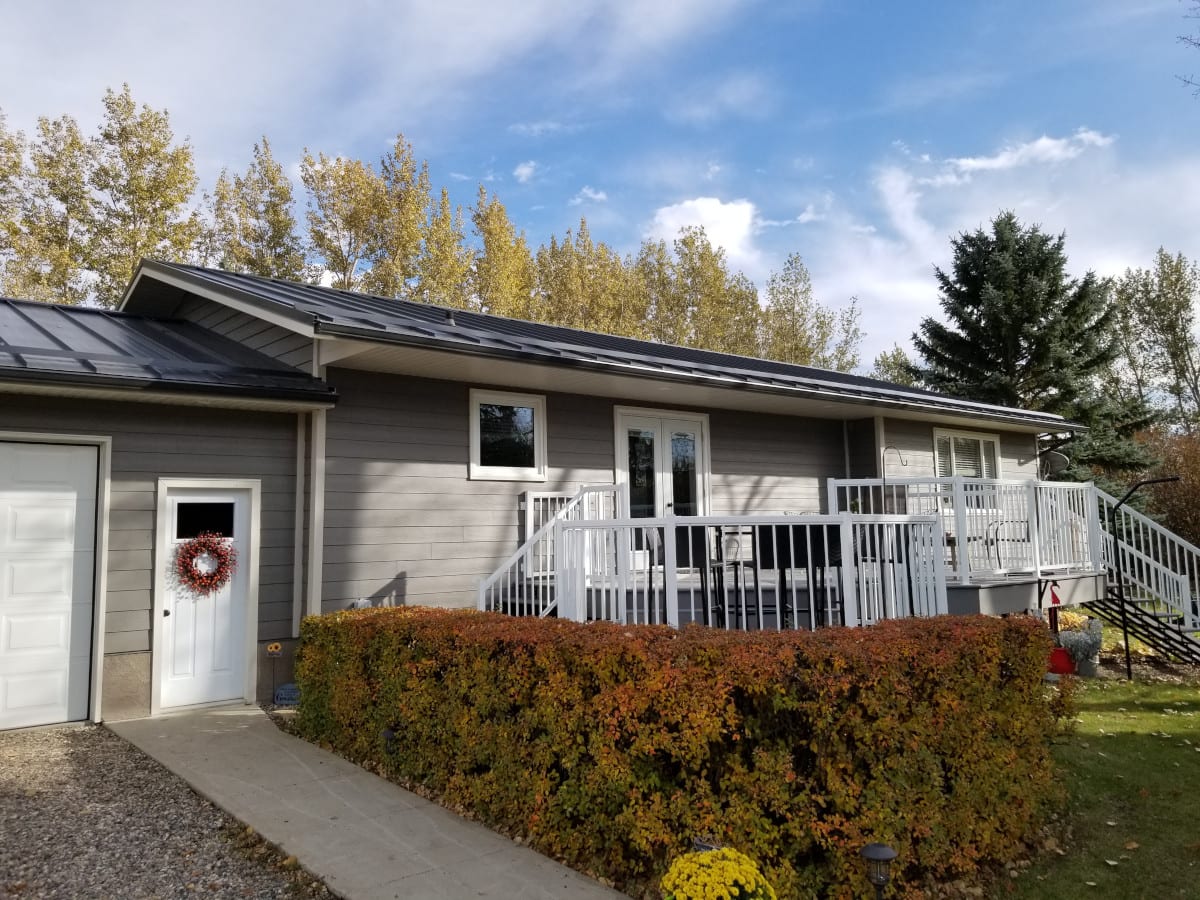
Vinyl is lightweight and flexible. From an installation perspective, this means we can install it efficiently, saving you labor costs. However, quality matters. In our local climate, “builder-grade” thin vinyl can become brittle and crack during extreme cold snaps. We always recommend a higher gauge thickness to withstand our local weather.
Why Choose Vinyl?
- Affordability: It is generally the most budget-friendly option.
- Low Maintenance: A simple garden hose wash once a year is usually all it takes.
- Design Flexibility: Modern manufacturing allows for textures that closely mimic wood grain without the rot risk.
Things to Consider:
While cost-effective, vinyl has thermal limitations. It expands and contracts significantly with temperature changes. If not installed with the correct “floating” technique by an experienced crew, it can buckle.
Fibre Cement Siding
If you are looking for a material that can go toe-to-toe with Regina’s toughest weather, fibre cement is a top contender. It is a composite made from cement, sand, and cellulose fibers.
The Expert Perspective:
We often recommend fibre cement siding for homeowners concerned about hail or fire resistance. Unlike vinyl, it does not become brittle in the cold. It provides a solid, masonry-like feel that adds substantial value to a property.
Why Choose Fibre Cement?
- Durability: It is impervious to termites, rot, and woodpeckers.
- Hail Resistance: It stands up incredibly well to impact, a frequent concern in our area.
- Aesthetic: It offers deep, authentic wood-grain textures that painted wood provides, but with superior longevity.
Things to Consider:
This is a premium product. The material is heavy, requiring specialized cutting tools and a larger crew for safe installation. While the initial investment is higher, the long-term payoff in durability often justifies the cost.
Wood Siding
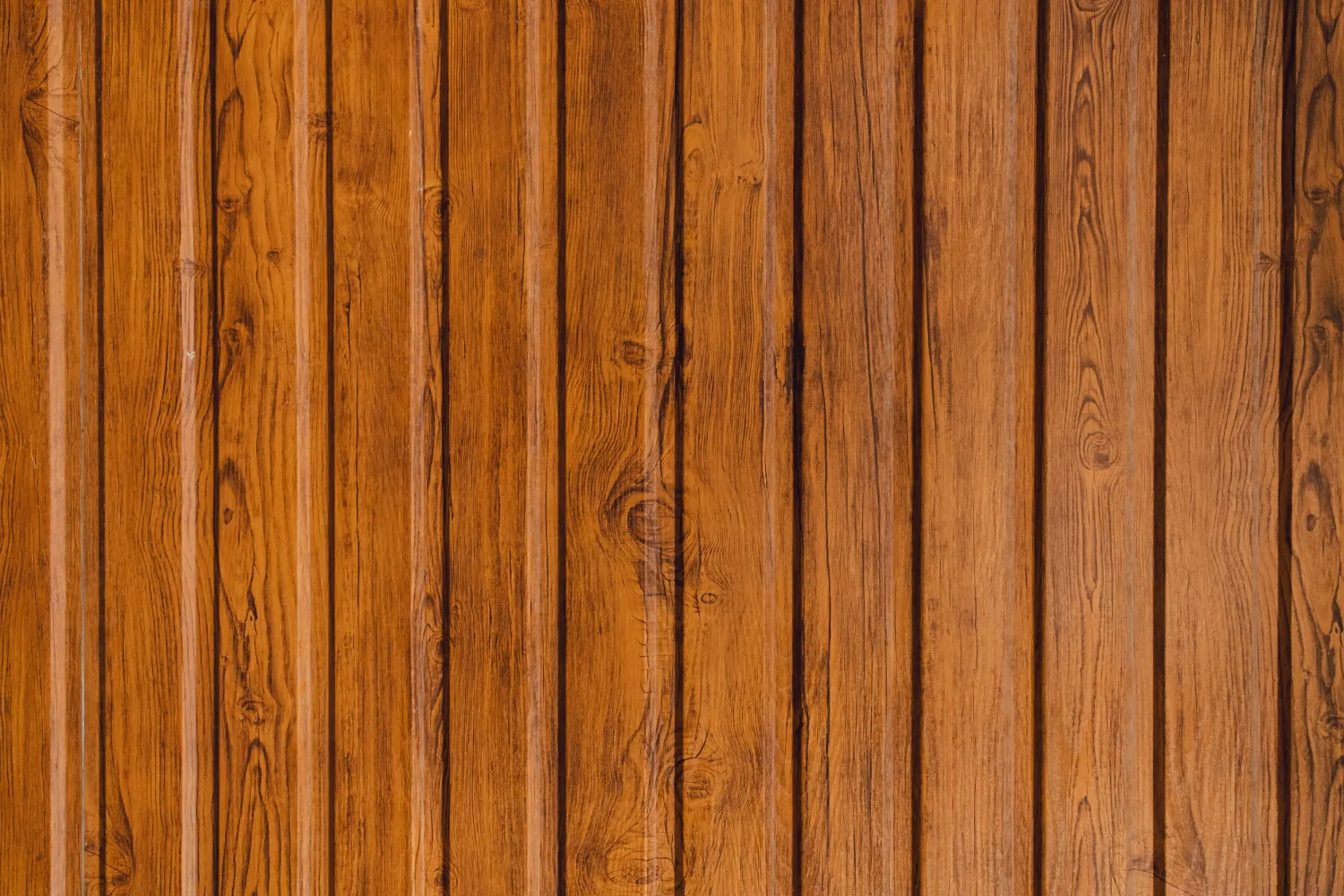
Wood siding is the traditional choice that offers a natural, warm aesthetic that synthetic materials strive to duplicate.
The Reality of Wood:
There is no denying the beauty of real cedar or pine. However, as local experts, we must be transparent about the upkeep. In our climate, moisture and UV rays are relentless. Wood requires a strict maintenance schedule.
Why Choose Wood?
- Timeless Beauty: The natural grain and warmth are unmatched for curb appeal.
- Biodegradable: It is a renewable resource for the eco-conscious homeowner.
- Customizable: You can stain or paint it in literally any shade you desire.
Things to Consider:
You must be prepared to stain or paint your siding every 3–5 years. Failure to do so can lead to rot, warping, and insect damage.
Shingle Shake Siding
Originally made from split cedar logs, “shakes” give a home a rustic, textured look. Today, we can achieve this look using low-maintenance polymer or vinyl moulds that look identical to the real thing without the splintering.
Best Use Case:
We often use shakes as an architectural accent—installed on gables or dormers—to break up the visual monotony of a large wall. It pairs beautifully with stone or traditional horizontal siding on the rest of the new build or renovation.
Brick and Stone Veneer
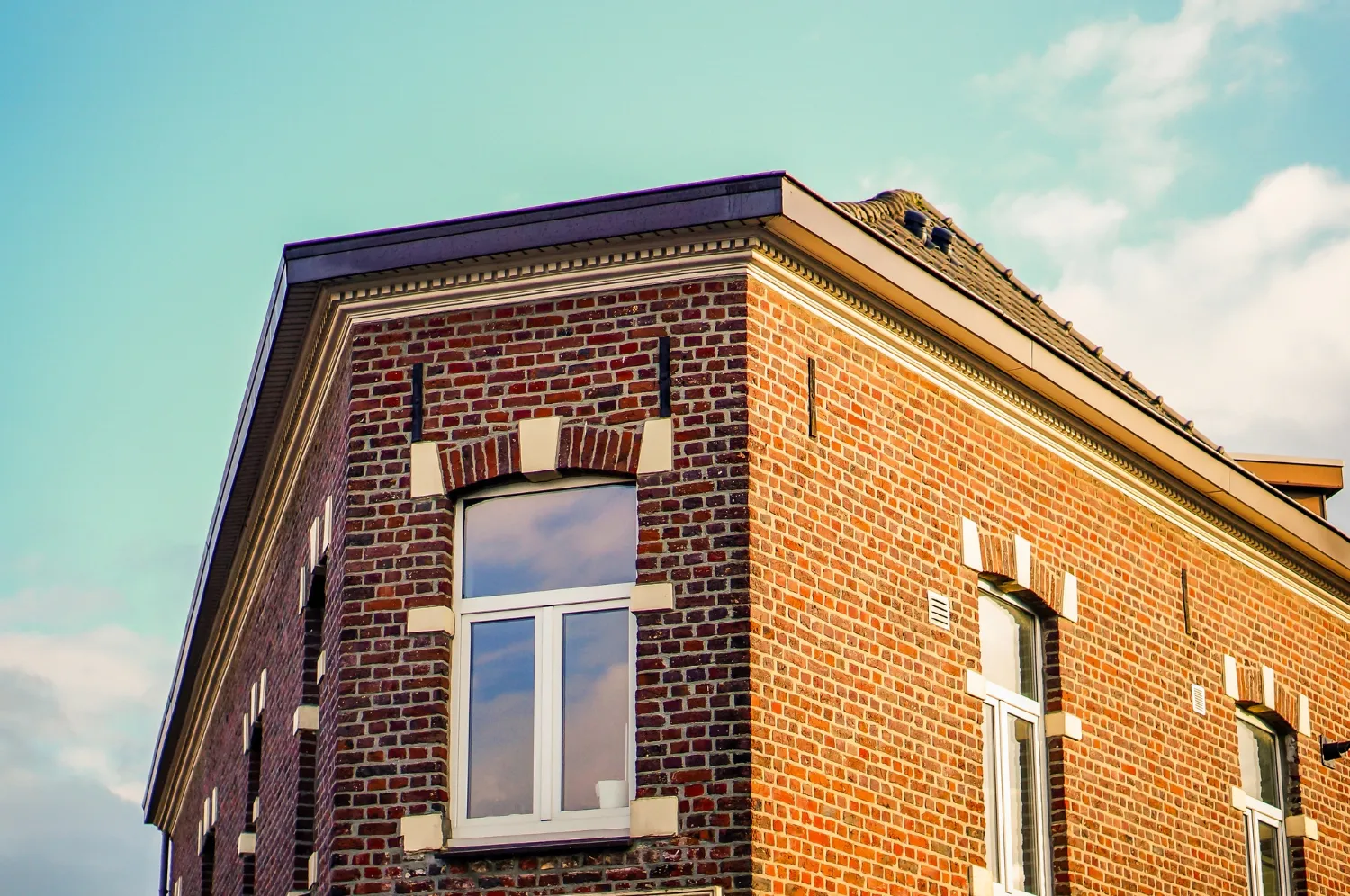
Brick is often referred to as the “forever” material. It provides a thermal mass that can help regulate your home’s temperature.
Why Choose Brick?
- Longevity: A well-laid brick wall can easily outlast the structure it protects.
- Zero Maintenance: No painting, no sealing, no washing required.
Things to Consider:
Brick is labor-intensive and requires a skilled mason. It also requires a proper foundation ledge to support the weight. If your home wasn’t built with brick in mind, retrofitting it can be complex and costly.
Aluminum Siding
Once the king of siding, aluminum has taken a backseat to vinyl but still has its place.
The Pro & Con:
Aluminum is waterproof and fireproof. However, in hail-prone regions like ours, it has a significant downside: it dents. Unlike vinyl, which has some “bounce,” aluminum creates permanent dings upon impact.
How to Choose the Right Material for Your Home
Choosing siding isn’t just about picking a color; it’s about balancing performance, maintenance, and budget. Here is how we help our clients decide:
1. Assess Your Environment
Do you live in an open area exposed to high winds and hail? If so, fibre cement or high-grade vinyl is safer than aluminum. Are you in a heavily treed area? You might want to avoid wood due to moisture and shade promoting mold growth.
2. Be Honest About Maintenance
Ask yourself: Will I actually paint my house in 5 years? If the answer is “probably not,” avoid wood. Stick to materials that forgive a busy schedule, like vinyl or brick.
3. Consider the Total Cost of Ownership
A “cheaper” material might cost you more in the long run if it cracks in the cold or fades quickly. We believe in transparent pricing—we can show you the price difference between materials so you can see exactly where your money goes. If you want the premium option but need flexibility, we offer financing plans to make quality affordable.
Conclusion
Your home’s exterior is its first line of defense. Whether you choose the versatility of vinyl, the ruggedness of fibre cement, or the classic charm of wood, ensuring it is installed correctly is paramount. Even the best material will fail if the moisture barriers and flashings underneath aren’t handled with expertise.
Ready to explore your options?
We are here to help you navigate these choices without the pressure. Contact us today for a consultation, or request a detailed quote online. Let’s ensure your home is protected for decades to come.